


Start Your
Free Trial Today
Try BluXinga for free. Get started in just a few simple steps!
Get Started Today
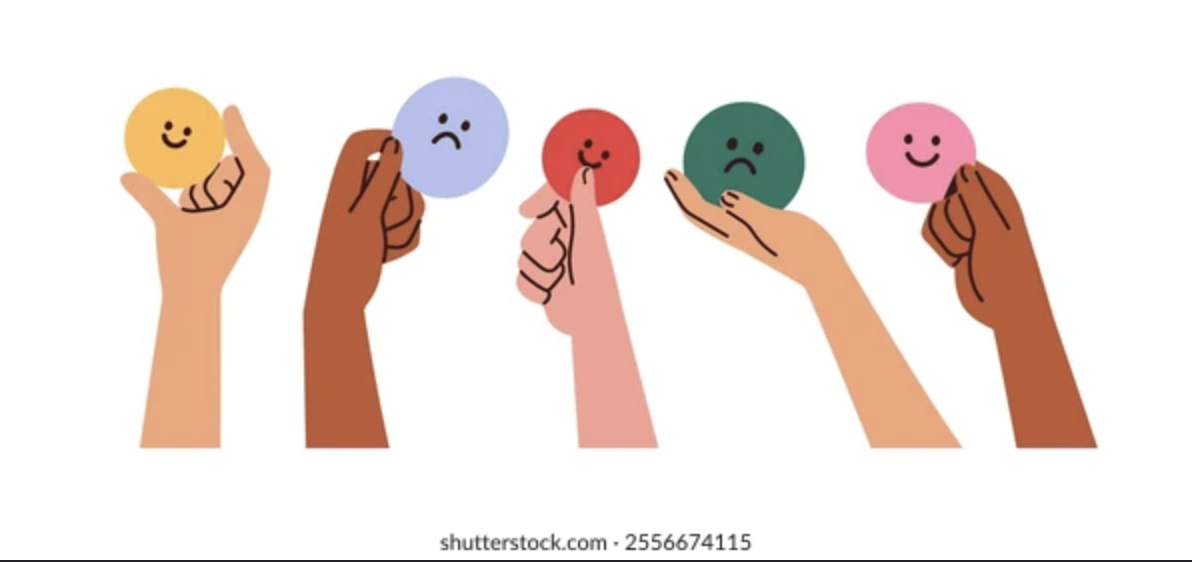
Feedback is one of the most valuable tools in any professional services business, yet it is often one of the most poorly used. We tend to think of feedback as something that happens during an annual review, after a project has gone wrong, or when a manager finally finds the time to sit down with a team member. But feedback is not a once-a-year event. It is an ongoing conversation, and when done well, it becomes a powerful driver of trust, professional growth, and better business results. Think of it as a loop rather than a line: information is shared, understood, acted upon, and revisited. Each conversation creates an opportunity to learn, adjust, and improve.
The best feedback starts with the right intention. Too often, feedback arrives dressed as criticism, leaving the recipient feeling defensive rather than motivated. The goal should never be to prove someone wrong or highlight a mistake for the sake of it. Instead, feedback should shine a light on what is working, what could be better, and what needs to happen next. In professional services, where client relationships, teamwork, and attention to detail can make or break a business, specificity matters. Rather than saying, “You need to communicate better,” try, “The client was unsure about the project timeline after our last meeting. Providing a written update at the end of each week would help keep everyone aligned.” The difference is significant: one creates uncertainty, while the other offers a clear path forward.
Giving feedback is only half of the equation; receiving it is where the real growth begins. Nobody particularly enjoys hearing that they could have done something differently, especially when they have invested considerable time and effort into their work. The natural reaction is to explain, defend, or justify. But the most effective professionals learn to pause before responding. Listen to understand, ask questions when something is unclear, and resist the urge to treat every observation as a personal judgment. Feedback is a perspective, not a verdict on your ability or worth. You do not have to agree with every point, but you should be willing to consider it. Sometimes the most productive response is simply, “I hadn't looked at it that way. Can you tell me more?” That small shift can turn an uncomfortable exchange into a valuable learning opportunity.
A feedback loop only works when the conversation continues after the meeting ends. Sharing an observation is a starting point, not a solution. The next step is to agree on an action, make the change, and check back to see whether it made a difference. Managers should make time to revisit previous conversations, while team members should feel comfortable sharing their progress, challenges, and ideas. Equally important, feedback should travel in both directions. Leaders need to hear how their decisions, communication styles, and expectations affect the people around them. When feedback flows up, down, and across an organization, it becomes part of the culture rather than something reserved for people in positions of authority. Consistency builds trust, and trust makes honest conversations easier.
Ultimately, the strongest feedback cultures are not built on having the perfect words; they are built on the willingness to have the conversation. In professional services, where success depends on people delivering their best work while adapting to changing client needs, continuous improvement is a competitive advantage. A well-handled conversation can prevent a small issue from becoming a larger problem, help a talented employee reach their potential, or strengthen a relationship that might otherwise have faltered. The feedback loop works because everyone has a role to play: give feedback with care, receive it with curiosity, act on what you learn, and return to the conversation. When that becomes a habit, feedback stops feeling like a difficult moment to endure and starts becoming one of the most effective ways to move forward together.
Try BluXinga for free. Get started in just a few simple steps!
Get Started Today

